



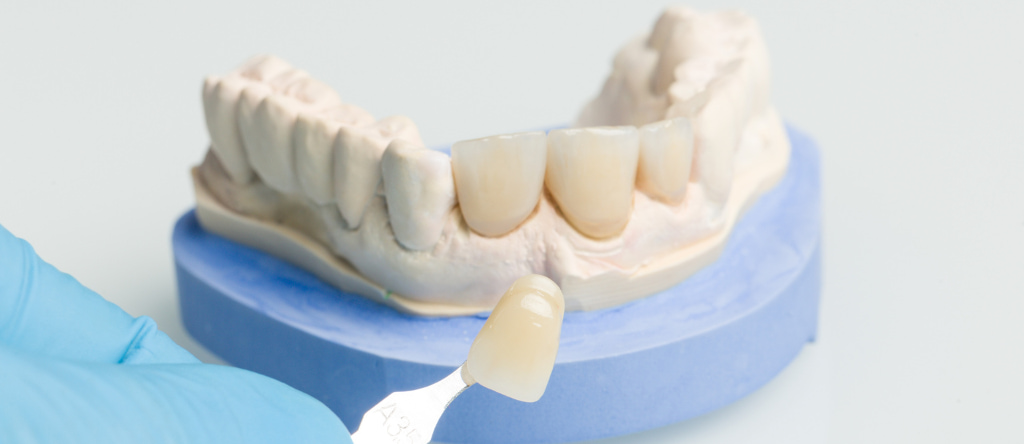
Dental veneers are a common cosmetic dentistry solution used to improve the appearance of teeth. Whether you’re considering them for chipped, uneven, or discoloured teeth, veneers can help create a more uniform and natural-looking smile. This article explains what veneers are, how they work, and the types available in Australia, including composite veneers, Emax veneers, and other options.
What Are Veneers?
Veneers are thin shells of tooth-coloured material that are placed over the front surfaces of teeth. They are designed to improve the appearance of teeth by altering their shape, colour, size, or length.
Common reasons people choose veneers include:
- Discolouration that cannot be corrected with whitening.
- Worn-down or chipped teeth.
- Irregularly shaped or misaligned teeth.
- Gaps between teeth.
What Are Veneers Made Of?
Dental veneers are typically made from either:
- Composite resin: a material applied directly to the tooth and shaped by the dentist.
- Porcelain: Thin, custom-made shells fabricated in a dental lab.
- Ceramic (e.g. Emax, Zirconia): Advanced materials used for strength and aesthetics.
How Do Veneers Work?
The procedure varies depending on the material used, but generally involves the following steps:
- Consultation: The dentist assesses your teeth and discusses your goals.
- Tooth preparation: A small amount of enamel may be removed from the tooth surface.
- Impressions or scans: These are used to create a model for the veneers.
- Fabrication: Porcelain and ceramic veneers are made in a lab; composite veneers are shaped directly.
- Bonding: The veneers are bonded to the teeth using dental cement.
Composite veneers are often completed in one visit, while porcelain-based veneers typically require two or more appointments.
Types of Veneers
Several types of veneers are offered by dental clinics across Australia. The main options include:
| Type | Material | Treatment Time | Lifespan | Notes |
|---|---|---|---|---|
| Composite Veneers | Resin | Usually 1 visit | 4–8 years | Applied directly to the tooth |
| Porcelain Veneers | Porcelain | 2–3 visits | 10–15 years | Fabricated in a lab |
| Emax Veneers | Lithium disilicate | 2–3 visits | 10–20 years | Known for strength and aesthetic quality |
| Zirconia Veneers | Zirconium oxide | 2–3 visits | 10–15 years | Very strong, less translucent |
| Removable Veneers | Resin or plastic | Varies | Short-term | Not permanent; aesthetic-only |
| Acrylic Veneers | Acrylic resin | Temporary use | Short-term | Often used as provisional veneers |
Veneers vs Other Cosmetic Treatments
Depending on the condition of your teeth and your treatment goals, veneers may be compared with other options:
| Treatment | Purpose | Limitations |
|---|---|---|
| Veneers | Improve shape, size, colour | Doesn’t address bite alignment |
| Teeth Whitening | Lighten natural tooth colour | Won’t change shape or fix cracks |
| Composite Bonding | Minor chips and gaps | Shorter lifespan compared to veneers |
| Orthodontic Aligners | Straighten misaligned teeth | Longer treatment duration |
Side note: Veneers are generally used for aesthetic purposes, not orthodontic correction.
Who Is Suitable for Veneers?
Veneers may be suitable if you:
- Have healthy teeth and gums.
- Looking to correct cosmetic concerns such as shape or colour.
- Do not grind your teeth excessively.
- Prepared to maintain good oral hygiene and regular dental check-ups.
Dental veneers offer various options to improve the appearance of teeth, from composite to Emax and other materials. The right choice depends on your dental condition, goals, and budget. For a personalised assessment, arrange a consultation with DCA Dental Clinic today.
FAQs About Veneers
1. What are veneers?
Veneers are thin shells placed over the front of teeth to improve their appearance.
2. What are composite veneers made of?
Composite veneers are made of resin material that is applied directly to the teeth and then shaped manually.
3. What are the different types of veneers?
The main types are composite veneers, porcelain veneers, and ceramic veneers.
4. What are Emax veneers?
Emax veneers are a type of porcelain veneer made from lithium disilicate, offering high strength and natural appearance.
5. How do veneers work?
Veneers are bonded to prepared tooth surfaces to improve their size, shape, or colour. The process may vary based on the material used.